
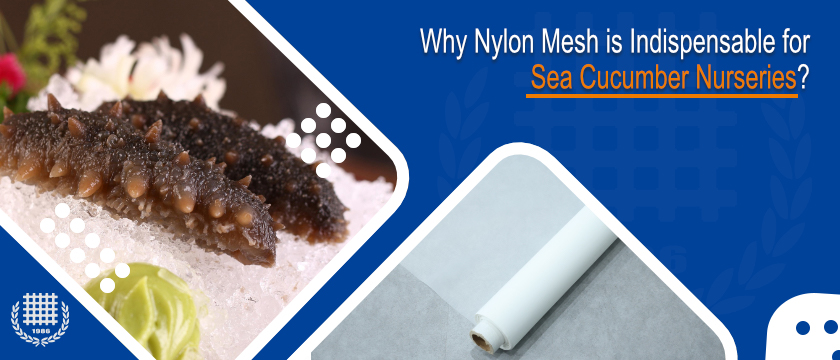
MAISHI nylon mesh, woven from 100% monofilament nylon yarns, provides a stable structure with exceptional filtration accuracy. This precision is vital, as fry often measure under 1mm. The mesh must prevent escape while enabling crucial water exchange. Our mesh range—5 to 1900 microns—lets farmers match the size perfectly to each growth stage. For instance, we successfully supplied an 860 micron nylon mesh for a client’s sea cucumber fry cages, resulting in positive feedback.
The woven nylon mesh offers superior durability compared to non-woven alternatives. Its robust nature allows for repeated, rigorous cleaning without damage to the structure or precision. This reusability reduces replacement costs and ensures long-term operational sustainability. Furthermore, MAISHI’s nylon mesh has passed food-grade FDA test, ensuring that the nursery environment remains free from harmful chemical contamination—a crucial safety feature for any food product.
The mesh surface acts as a vital settlement substrate, encouraging the growth of desirable biofilm (periphyton). This mixture of microalgae and diatoms is a critical supplementary food source for deposit-feeding sea cucumber fry, aiding their nutritional transition and promoting accelerated growth rates. The stability of the MAISHI mesh structure supports a healthy, consistent biofilm layer, leading to higher survival rates before the sea cucumbers are released to the seabed.
We provide samples for testing to support your sea cucumber nurseries.
Tags
#seacucumberfryaquaculture #nurserycagefiltration #nylonmeshprecision #monofilamentfabric #sustainableaquaculturepractice
Leave a Comment